
Environmental conservation and protection, increase honey production as well as sustaining the
ecological niche required for bee populations to thrive.
supports their field movements, increasing efficiency in reaching communities for training, .
follow-ups, coaching, data collection, monitoring, and other extension services.
for savings groups organized and capacitated through DCT- DSC’s training.
i.e. District council and Ministry of Agriculture
collected from adjacent CA and non-CA plots. These samples undergo diagnostic laboratory analysis
for key indicators including soil organic matter,
macronutrients (NPK), and micronutrients.
Post-analysis, the comparative nutrient profiles are communicated to farmers and
relevant stakeholders to substantiate the pedological outcomes of
CA adoption relative to conventional tillage regimes, and CA Advocacy
and distribute it via gravity-fed supply for domestic and agriculture, thereby reducing operational energy costs.
Agricultural Innovation
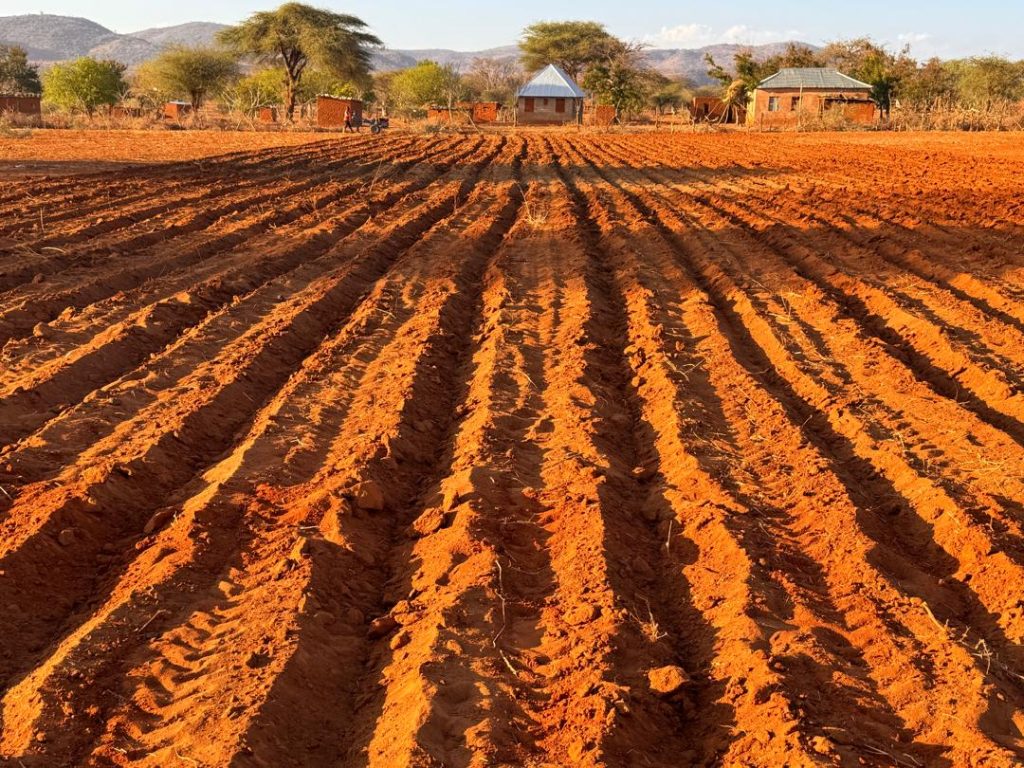
Several minimum tillage options exist for Conservation Agriculture, including hand hoe cultivation, the maresha ripper (animal-drawn), and other low-tech solutions. The organization also utilizes a two-wheeled tractor ripper operated by selected and trained CA mechanization service providers to deliver ripping services that support farmers in achieving minimum soil disturbance, reduce workload, and increase area under CA.
CA mechanization using rippers, hand hoes, and Two-Wheeled Tractors (TWTs); drought-tolerant, early-maturing seeds from certified sources; airtight grain storage; on-farm seed selection; and demo and trial plots for teaching and learning purposes.
Church and Community Mobilization Process (CCMP) or Church and Community Transformation (CCT)
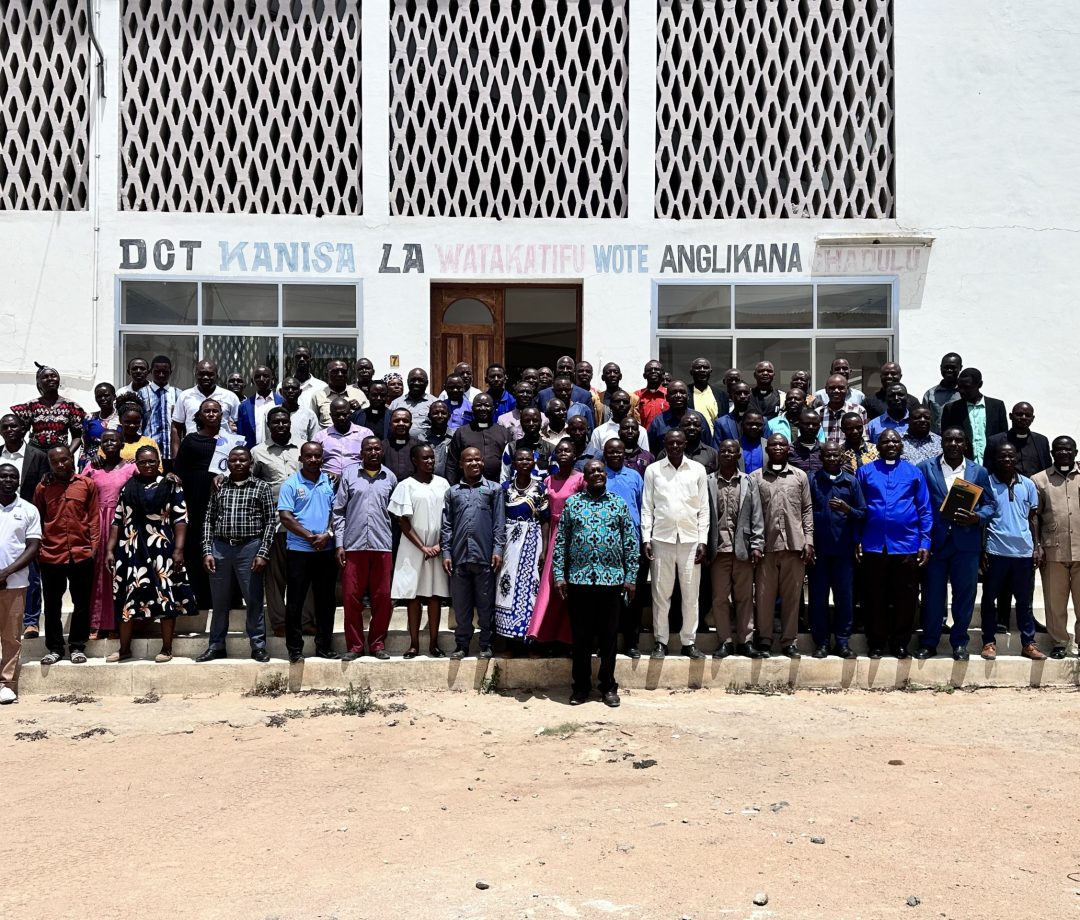
The Organization facilitates the promotion and training of Catechists
and Priests in Church and Community Mobilization Processes (CCMP), a framework
premised on the principle that development initiatives should cascade from
church communities to the broader society, resulting in holistic development
and improved livelihoods among vulnerable groups.
Training of churches and communities on CCMP/CCT and holistic development
Technical support of church and community action plans and implementation using their own identified local resources and assets to foster participation, empowerment, ownership and sustainability of their initiatives.
Community Water Supply
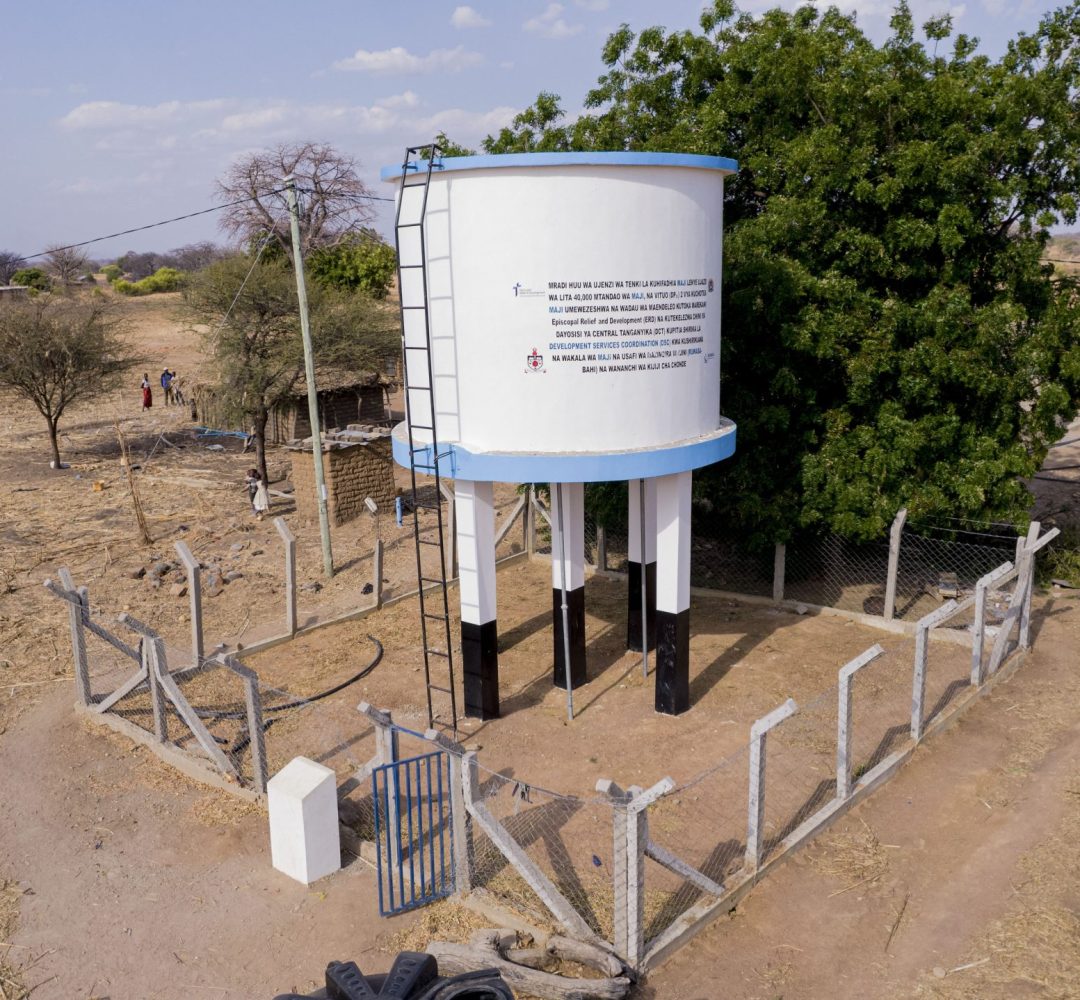
An elevated water storage tank has been constructed to store water pumped from sources and distribute it via gravity-fed supply for domestic and agriculture, thereby reducing operational energy costs.
Capacity building needs assessment and development of capacity building plan for CBWSOs (Community Based Water Supply Organizations)
Establishment and registration of CBWSOs.
Capacity of registered CBWSOs
Conduct baseline assessment and end line assessment by using CIT (Competency Index Tool)
Organize and conduct water quality status to understand basic water quality status of each system
Training of communities on water treatment
Rehabilitation of old or installation of new water system infrastructures (bore holes, shallow wells with hand pumps, pipe line, Distribution Points (DPs)
Clustering of CBWSOs in collaboration with RUWASA ( Rural Water Supply and Sanitation Agency)
Financial Technology
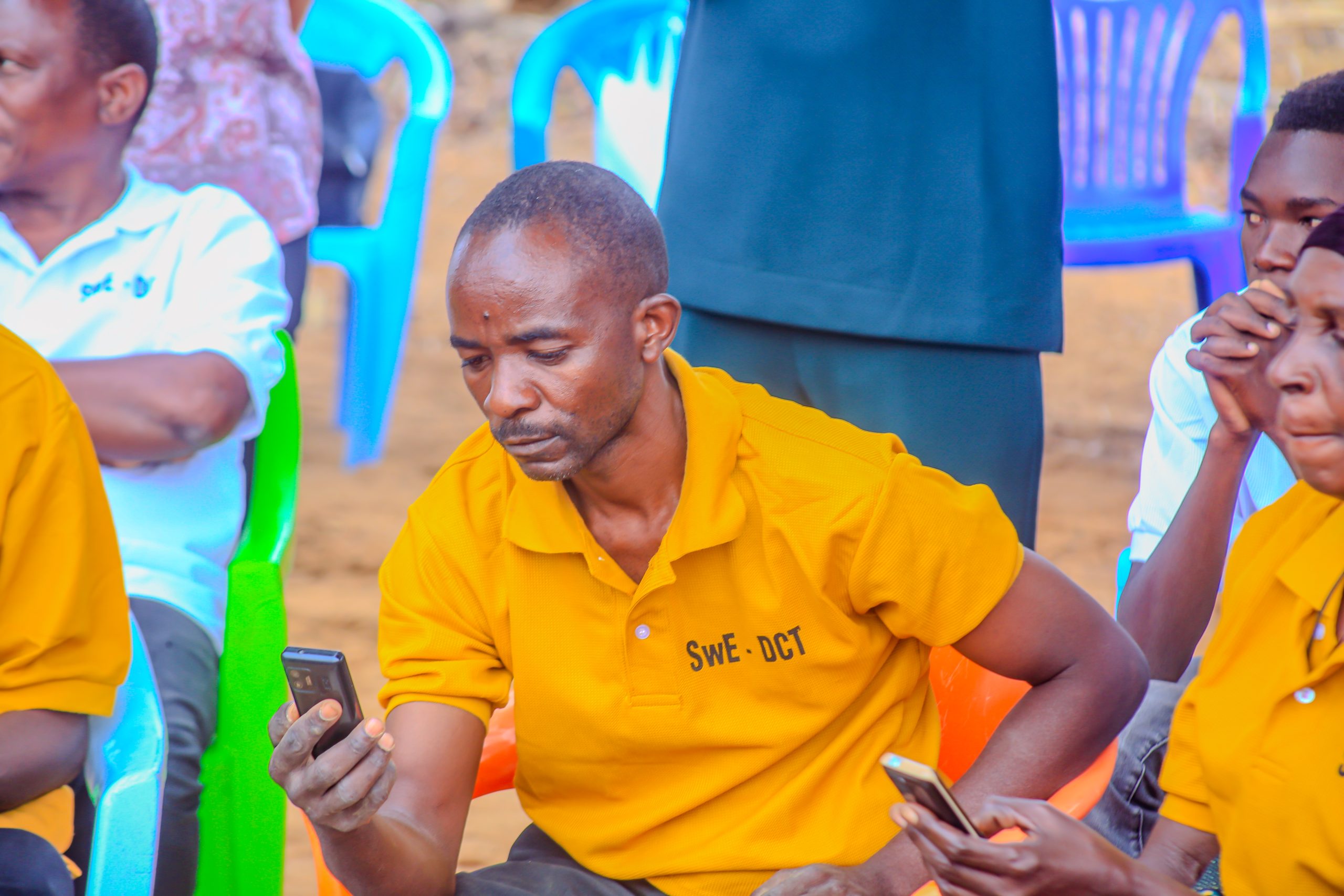
The deployment of a digital platform (e-savings) streamlines transactional processes for savings groups organized and capacitated through DCT- DSC’s training.
Use of mobile e-savings platform for secure fund management; integration of QuickBooks with paperless approval functionality
Climate Resilience
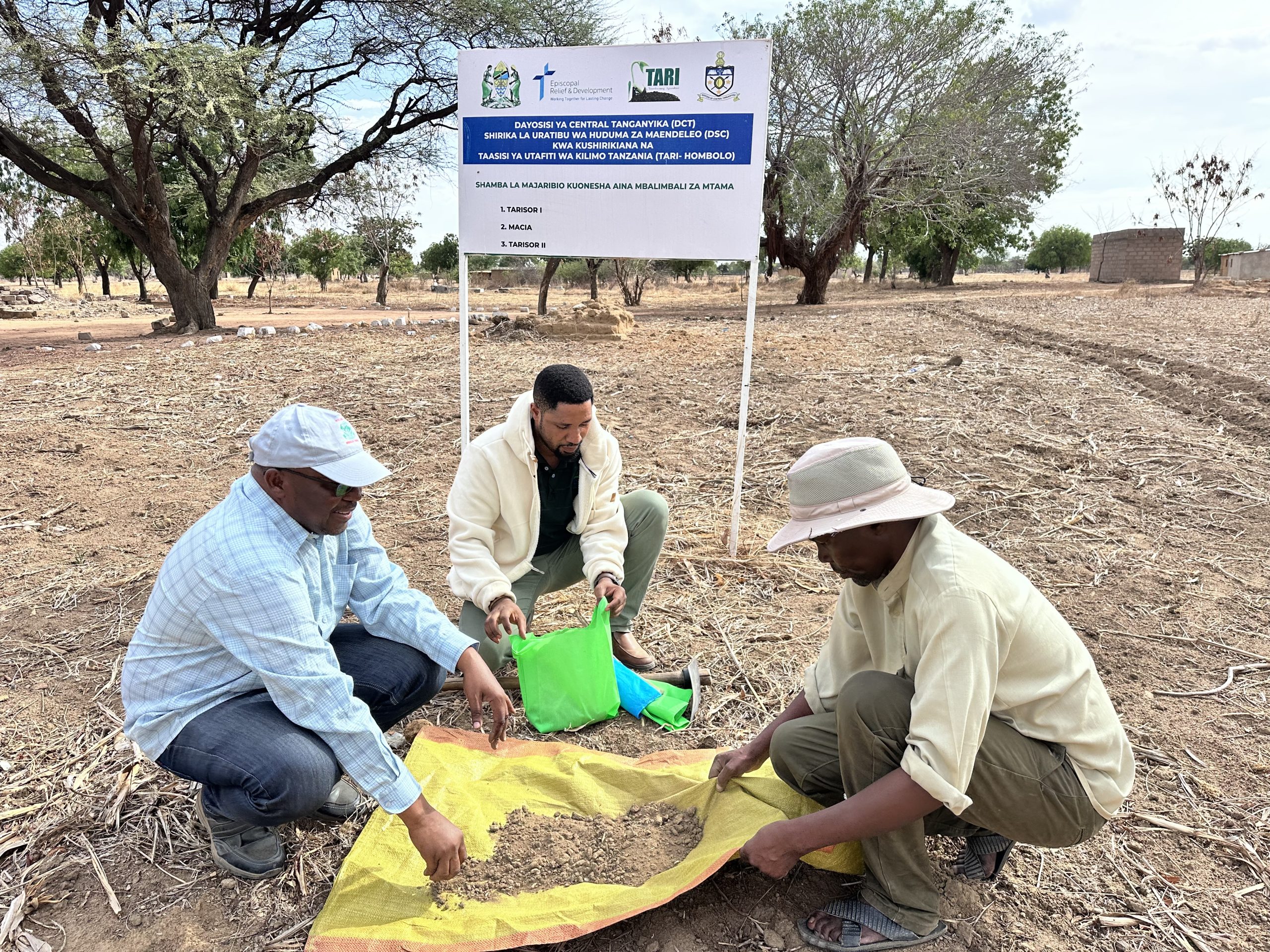
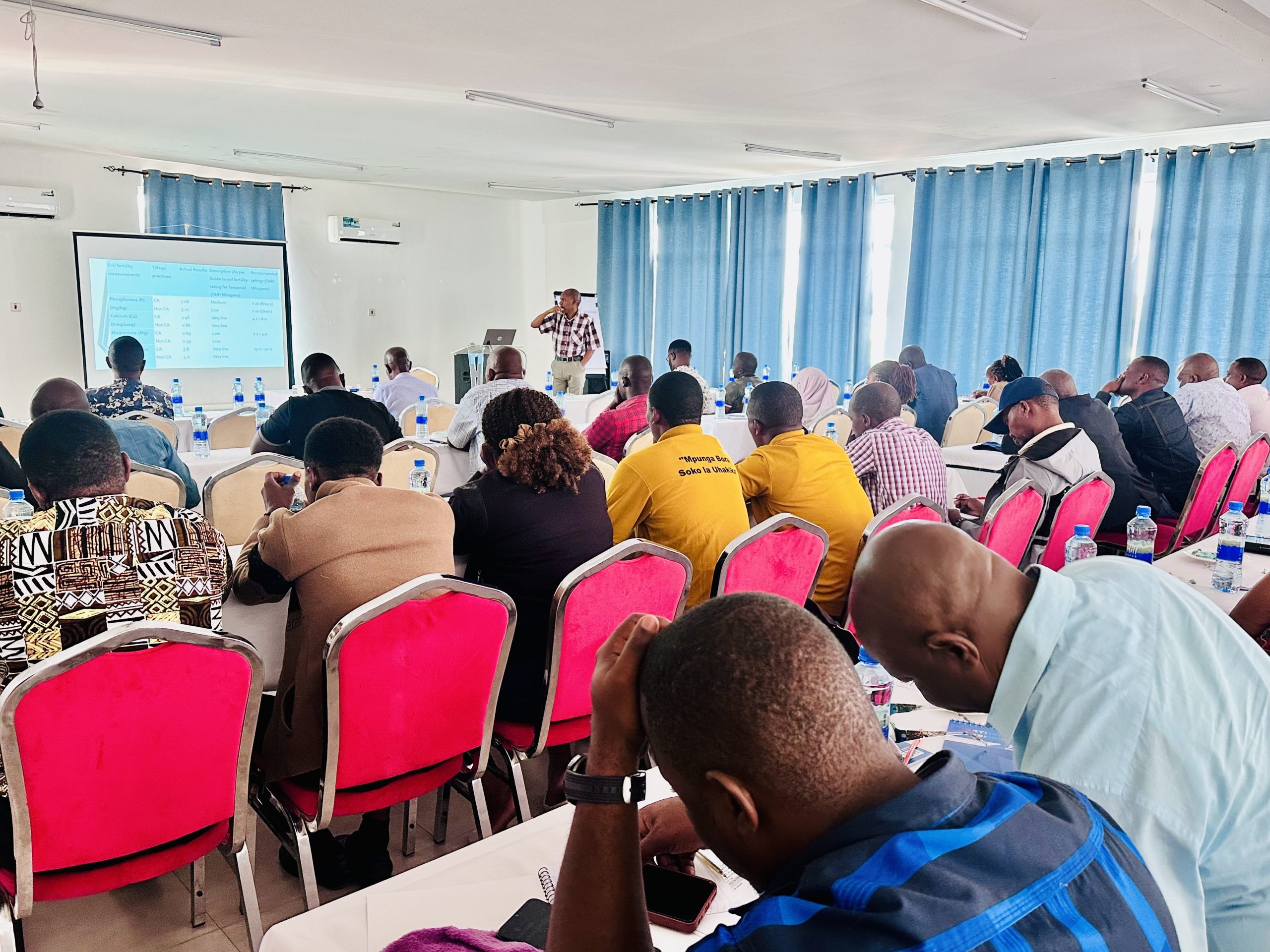
On an annual basis, the organization executes a comparative soil health assessment wherein paired soil samples are systematically collected from adjacent CA and non-CA plots. These samples undergo diagnostic laboratory analysis for key indicators including soil organic matter, macronutrients (NPK), and micronutrients. Post-analysis, the comparative nutrient profiles are communicated to farmers and relevant stakeholders to substantiate the pedological outcomes of CA adoption relative to conventional tillage regimes, and CA Advocacy
Gender Empowerment
Organizing and holding CA Advocacy meetings with stakeholders i.e. District council and Ministry of Agriculture.
Training of farmers on gender equity and equality.
Awareness creation on decision making, access to and control of productive resources by women and girls.
Community sensitization on sharing of domestic chores among men and boys to reduce workload on women and girls.
Promotion of women into leadership positions